
Brokering Relationships, Not Deals; Merging the Good Ol’ Days & Tech
By John St. Clair, Younger Partners Land Division Executive Managing Director
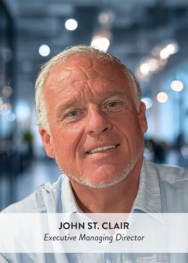
Wooed by the siren call of planned fame and fortune, my commercial real estate career launched on Oct. 13, 1986, at 7:31 AM at Sherwood Blount & Company Realtors. The goal was to be a land broker. As a kid fresh out of school, all I saw was glory and wealth headed my way. The sobering reality: this was a terrible time to embark on a commercial real estate career, especially in Dallas.
In late 1985, the market crashed, and my architecture degree did not adequately prepare me for the realities of Texas CRE. Marked by falling oil prices, a statewide recession, new federal tax laws, and, of course, the savings and loan crisis, the financial world was wrecked. Virtually everyone in CRE struggled, and there was zero appetite to purchase or develop. Bankruptcies were more prevalent than deals. The result: massive foreclosures and insolvent lending institutions. Eventually the government set up the Resolution Trust Corporation (RTC) to manage and liquidate the CRE assets that were taken back.
The RTC hired out-of-work bankers, brokers and other real estate professionals to liquidate and sell billions of dollars of CRE for pennies on the dollar. These professionals then hired brokers to market the assets and earn much-needed commissions. Early on, it was obvious that the RTC property managers gave the best deals to brokers with whom they had working relationships. My eyes were opened to how much I needed to learn and meet people!
I quickly recognized that the real world plays by a different set of rules not taught in textbooks. My true education was about to begin, and it would center heavily on the value of relationships.
When I started, the World Wide Web wasn’t a thing yet, and computers were basically typewriters on steroids. There was no centralized source or convenient way to gather the information needed to put deals together. You had to research the needed data to determine ownership, you drove to the courthouse, appraisal district and individual city halls and viewed property records on microfiche. As for zoning and utility questions, you built relationships with the city staff and asked questions. These personal relationships were the foundation of my career. If you wanted to be successful and stay ahead of the competition, background work was necessary. This is how land brokers worked and it was a proven path to success.
Out With the Old, in With the New
Today we have Pandora’s Box with the Internet, smartphones and social media. Everything you want is at your fingertips. In most cases, land brokers don’t need to leave their desks (if they even have one) to gather data. Even the most up-to-date aerial programs create exhibits I could only imagine in the late 80s. Brokers today have immediate access to the most current information because everything is online.
While the business is much easier now, there is a big problem. Many brokers spend so much time utilizing technology that they’ve neglected developing personal relationships.
The Internet is a timesaver, so take that extra time and build key relationships. Vital interpersonal skills and basic conversations are skills that young people need to sharpen. The only way to get better is through practice on the phone or better yet, face-to-face.
Real estate deals are more than numbers and pretty pictures. The best brokers know how to make everyone involved in a deal feel comfortable and confident in the transaction, which is a win for both the purchaser and seller. You are brokering relationships, not acreage.
A Happy Medium for Successful Integration
There are clear pros and cons to the industry then and now. The sweet spot involves a successful merger of both practices with the integration of key elements from each era.
- Use technology to your benefit: It is efficient to speed up the process by utilizing online research, determining the correct contact and creating visibility for your listing.
- Form and cultivate strong in-person connections: Most seasoned brokers want to mentor the new generation. Our wisdom and experience can save a lot of time. Attend and be involved with NTCAR and TREC. Go to sponsored events. Shake people’s hands, look into their eyes and tell people what you do. Take up space.
A good example of using technology today is in our land presentations. When we are building a relationship with a long-time landowner, it is not unusual for a tract to have not been sold for multiple generations. These families have a deep and personal history with the property. Although they know every square foot of the property, in many cases, the family elders have never seen an aerial view of their land. By droning their farm or ranch and sharing this with them, it always solicits a story or memory of a certain grouping of trees, creek or other landmarks. This interaction builds a connection and level of trust that, in time, illustrates to the family that we can assist them with a transaction.
Ultimately, we need a hybrid of technology and interpersonal skills to succeed and have a well-rounded, long-term career in this digital age. Is one era better than the other? Not necessarily, but today’s brokers are gifted and could be even better. But we can’t substitute technology for personal connections. Pick up the phone. Make the call and shake that hand. Technology speeds the process up, but human interaction seals success.